What ocean ecology actually looks like as a field of study
These courses cover marine and oceanic ecosystems from a scientific standpoint — species interactions, habitat dynamics, conservation frameworks, and emerging technologies in environmental monitoring. New opportunities in ocean science are growing fast, and this program is structured around what researchers and practitioners actually need.
Current Course Offerings
All courses are open for enrollment. Each is designed around specific topics — choose based on your background and focus area.
Introduction to Marine Ecology
Covers the fundamentals — ocean zones, energy flow, trophic structures, and how physical oceanography connects to biological systems. A solid starting point whether you're new to the field or need a structured review.
Coral Reef Ecosystems: Structure and Stress
Examines reef zonation, symbiotic relationships, bleaching events, and how reefs respond to thermal stress and acidification. Uses real monitoring datasets from Indo-Pacific reef systems to illustrate the concepts.
Deep-Sea Biology and Hydrothermal Vents
Focuses on life below the photic zone — chemosynthesis, pressure adaptation, vent community ecology, and the technologies used to study these environments. Growth in deep-sea research has made this one of the most active areas of development in ocean science.
Pelagic Species Ecology and Migration
Looks at open-ocean species — their feeding strategies, population dynamics, seasonal movement patterns, and how tagging and acoustic technologies of the future are reshaping what we know about large marine animals. Includes cetaceans, elasmobranchs, and commercially tracked fish.
Marine Conservation Policy and Practice
A practical approach to conservation — MPA design, fisheries regulation, international agreements, and how science feeds into policy. Addresses the new approach to life in coastal communities where local economies depend on marine resources. Case studies from Southeast Asia, the Mediterranean, and the Pacific.
Environmental Monitoring and Remote Sensing
Covers satellite oceanography, autonomous underwater vehicles, eDNA sampling, and acoustic monitoring systems. These technologies of the future are already redefining how researchers collect and interpret ocean data at scale. The future of ecological fieldwork looks very different from a decade ago.
Who teaches these courses
Each instructor brings active field research experience, not just classroom credentials.
Dr. Anya Osei
Marine Ecologist
Specialises in coral reef dynamics and Indo-Pacific biodiversity. Has contributed to reef monitoring programs in Malaysia, Indonesia, and the Philippines since 2020.
Prof. Lev Brandvik
Deep-Sea Biologist
Focuses on hydrothermal vent communities and abyssal ecology. Has led three research expeditions using ROV technology to explore mid-ocean ridge systems.
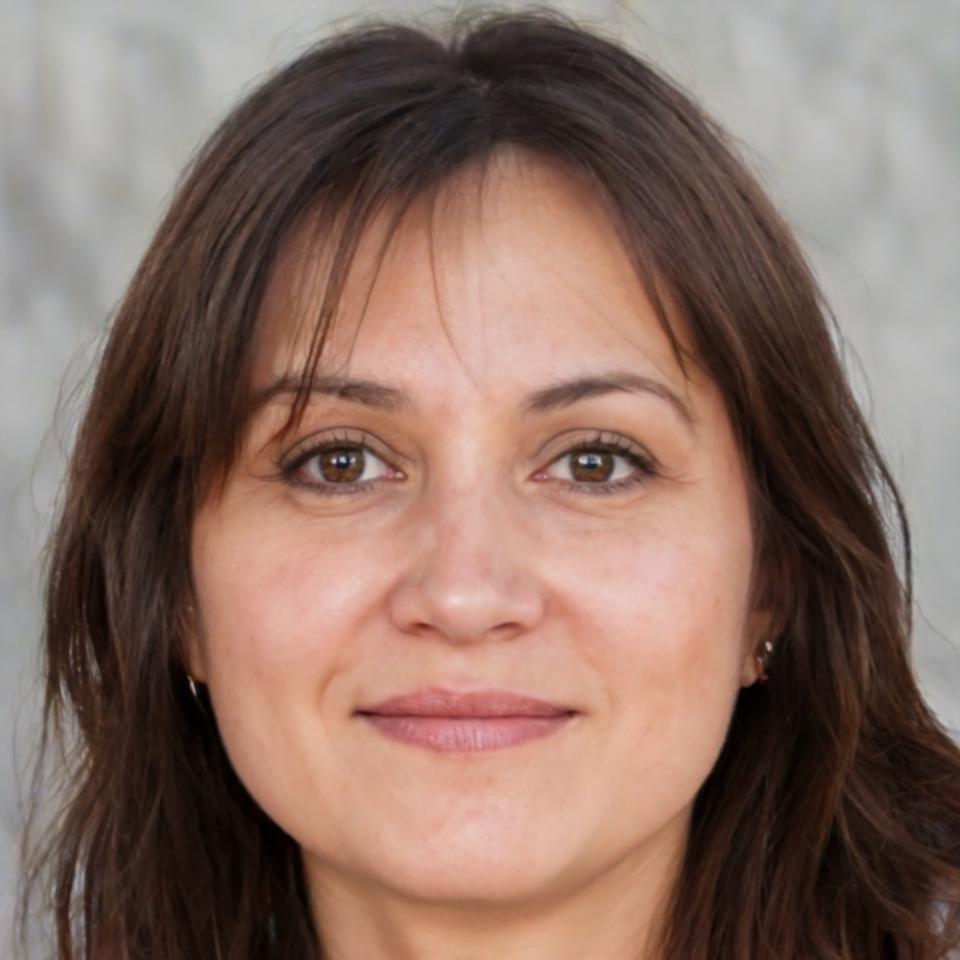
Dr. Mirela Đurić
Conservation Policy Researcher
Works at the intersection of marine policy and community development. Experience advising on MPA frameworks across Southeast Asia and the Adriatic. Advocates for the new approach to life in coastal management.