Education built around the
ocean we study
Pruvoxacent was founded in 2020 to address a straightforward gap: quality, structured education in marine and oceanic ecology wasn't accessible to students outside a handful of universities. We built a platform where that changes — where geography isn't a barrier and course quality isn't a compromise. The future of environmental literacy starts here, and we're committed to being part of it.
Where this platform came from
The people who built Pruvoxacent weren't marketing professionals or ed-tech entrepreneurs in the traditional sense. They were researchers and educators who kept running into the same problem: students in Johor, Lagos, Oslo, or Bogotá who wanted rigorous education in marine ecology had very limited options. Textbooks helped, but they couldn't replace structured, progressive learning tied to current science.
So we built a new approach to life-long science education — one that brings academic rigor to an online format without dumbing things down. Growth here means understanding more deeply, not just collecting certificates. Our development process is continuous, driven by what students actually struggle with and what current research actually demands.
Technologies of the future are already shaping how ecosystems are monitored and studied. Our curriculum reflects that, integrating remote sensing data literacy, digital field observation methods, and GIS fundamentals alongside classical ecological theory. New opportunities open up when learners can connect traditional marine science with these emerging tools.
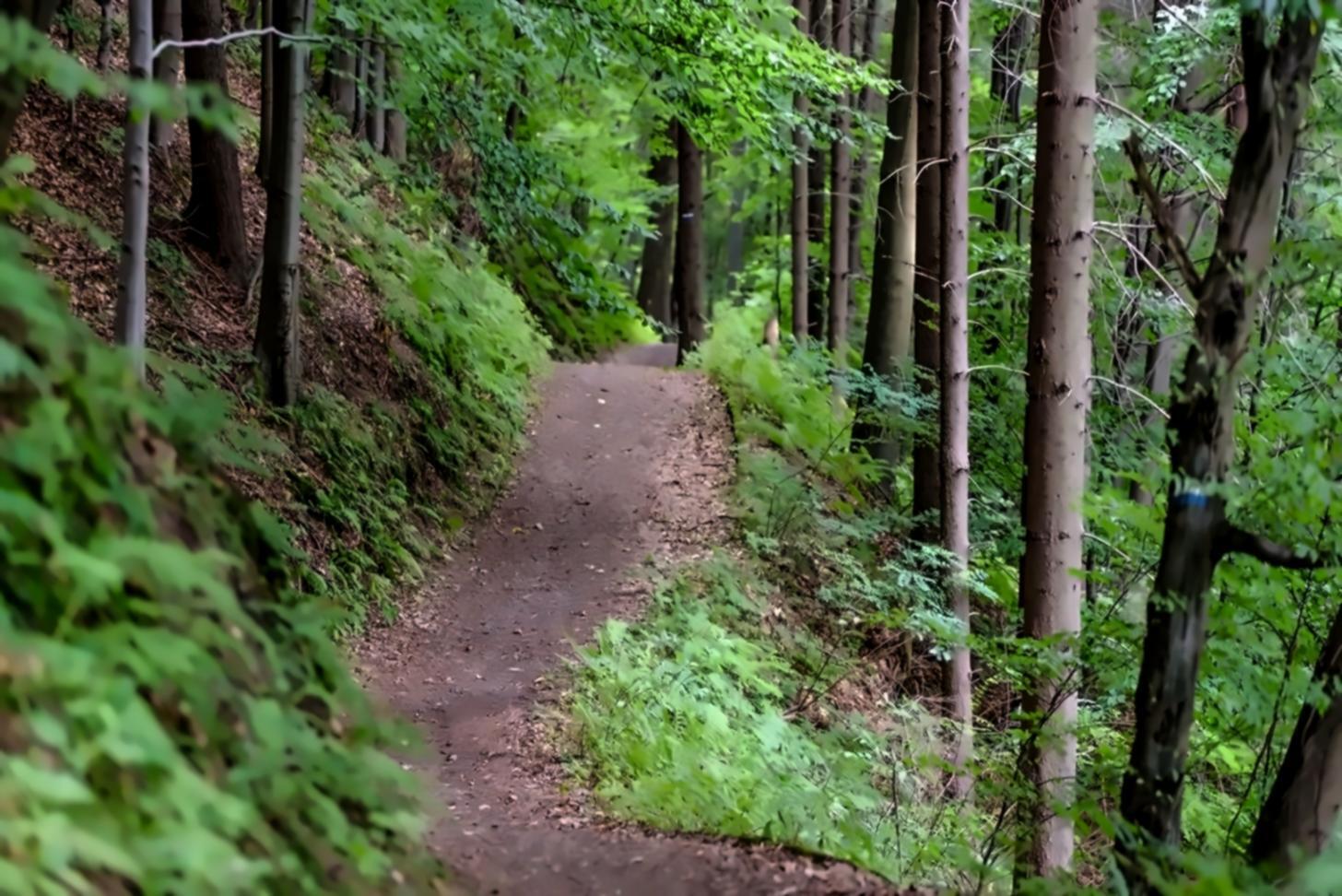 Field-grounded content
-
Academic depth, not surface-level summaries Modules are written at postgraduate reading level and reference peer-reviewed literature throughout.
-
No schedule, no borders Every course is fully asynchronous. Students from any timezone study at their own pace without falling behind.
-
Progress that's measurable Structured assessments at each module stage give learners and educators clear indicators of comprehension.
Who shapes the curriculum
Our instructors bring active research backgrounds into every lesson they write. You're learning from people who still work in the field.
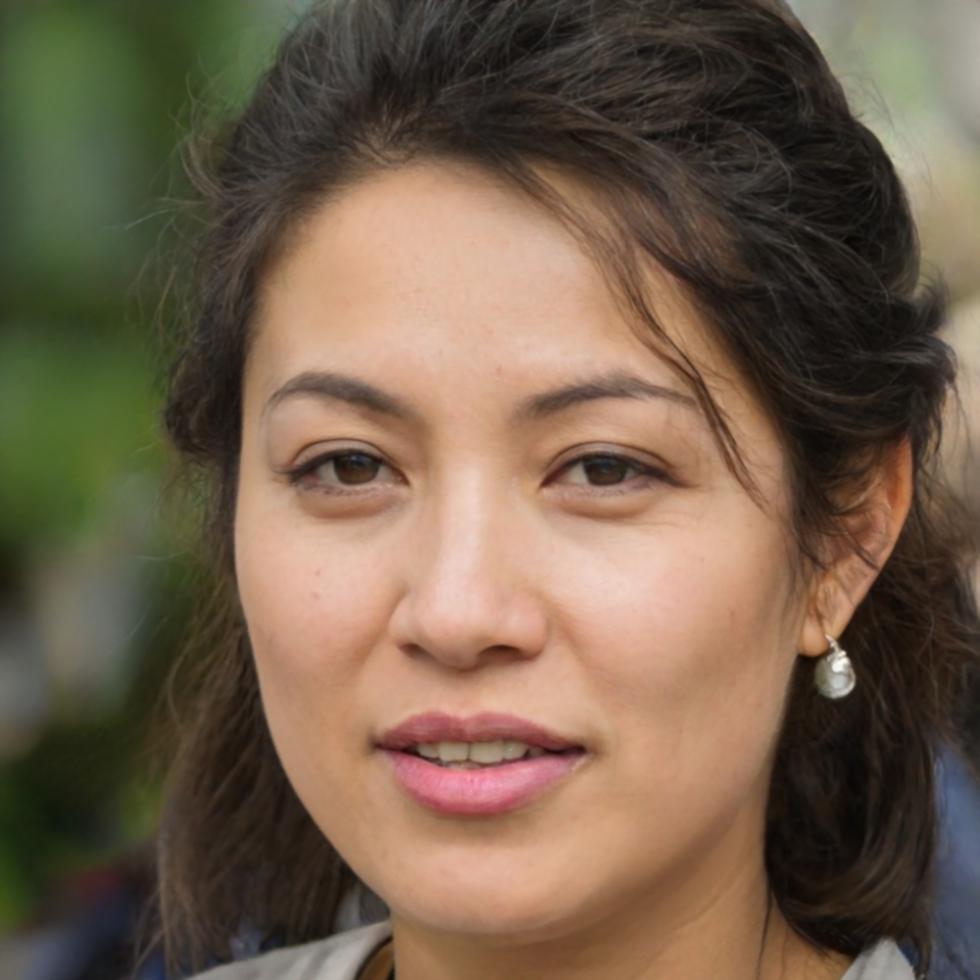
Sigrid Valnes
Lead Curriculum DesignerSigrid has spent over a decade structuring science education at the intersection of ecology and pedagogy. She oversees how complex marine biology concepts get translated into clear, progressive lesson sequences. Her approach treats every module as an argument — one that has to hold together logically from first principles to field application.
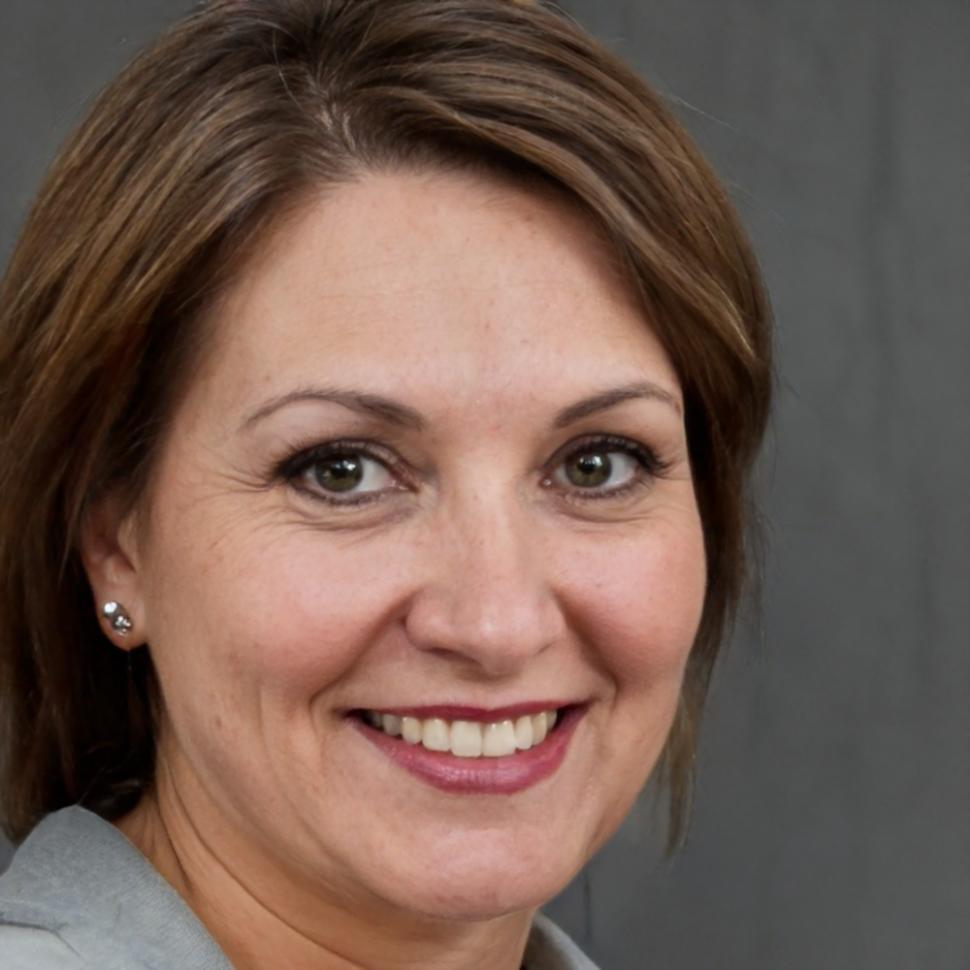
Aelita Kupriene
Senior Marine Ecologist & InstructorAelita's research background covers deep-sea habitat mapping and coastal biodiversity surveys across the Indo-Pacific. She writes the technical content for our intermediate and advanced modules and reviews all scientific claims before publication. Her fieldwork experience means the content reflects how marine ecology is actually practiced — not just how it's presented in introductory textbooks.
The structure behind each course
Every course follows a consistent development methodology. That's not bureaucracy — it's what makes the learning experience coherent for students who have no classroom to fall back on.
Each topic begins with a clearly stated research question and ecological context, setting expectations before concepts are introduced.
Content moves from foundational definitions through to applied case studies, with each layer explicitly referencing what came before it.
Module assessments test application, not recall. Students are asked to reason through scenarios, not just remember terminology.
Ready to start learning?
Current courses are open for enrollment — no waiting, no fixed schedules.